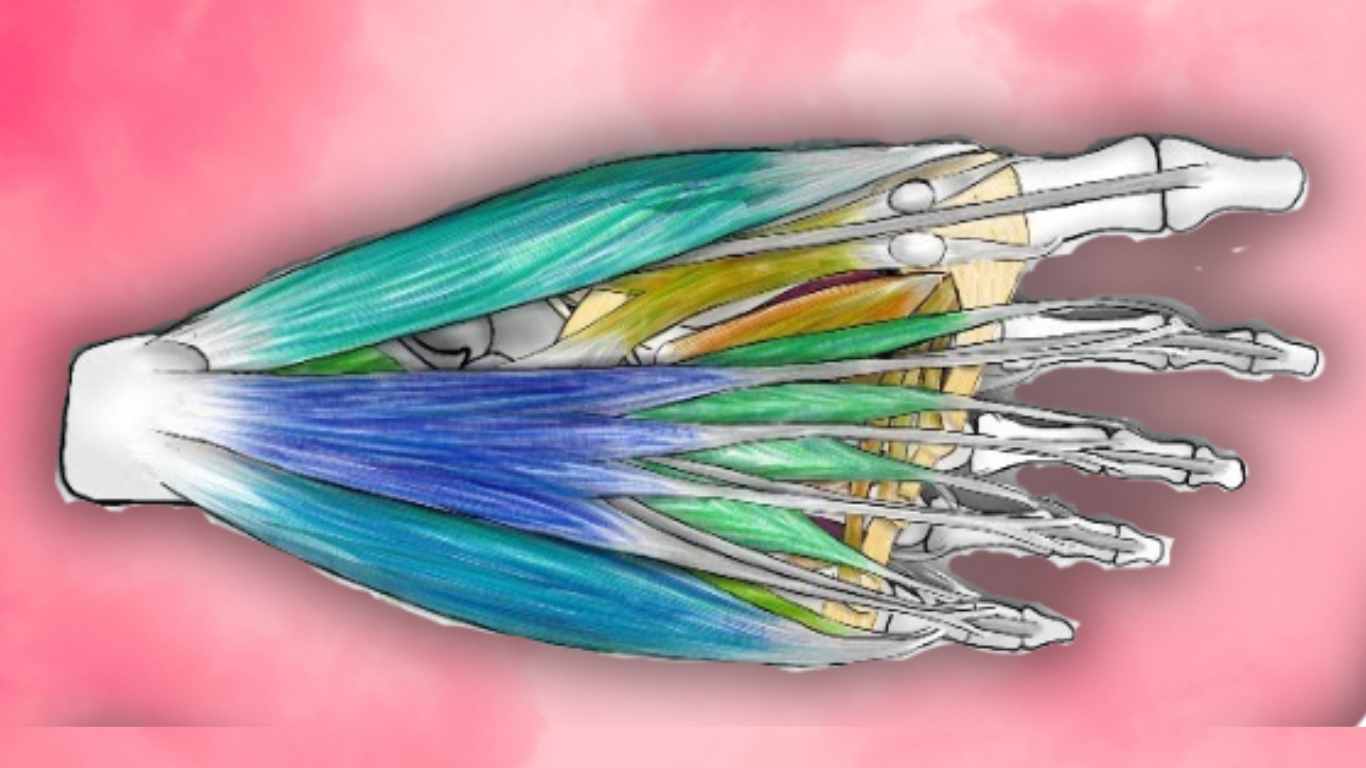
Muscle Layers of the Foot
There’s a bundle of muscles piled, one on top of the other, in the sole of the foot. But, for convenience, it…
There’s a bundle of muscles piled, one on top of the other, in the sole of the foot. But, for convenience, it…
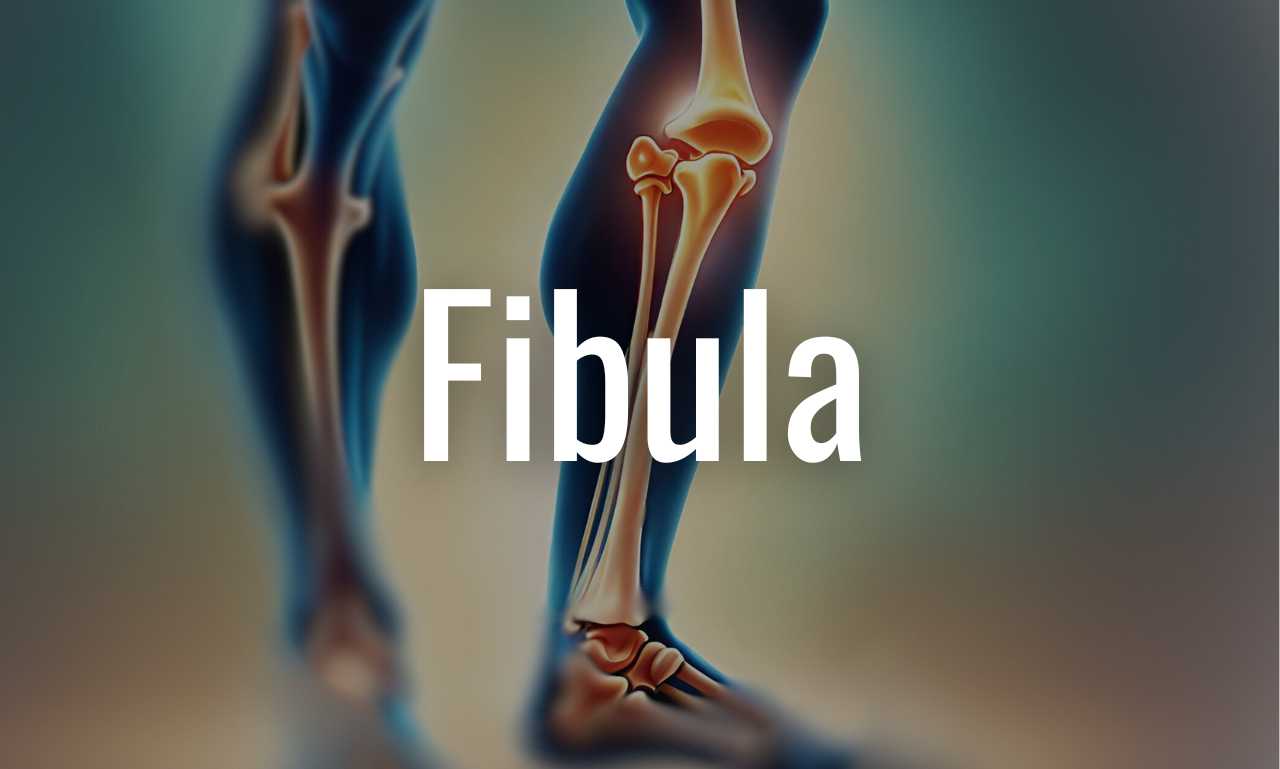
The fibula is one of the two bones in the lower leg, alongside the tibia. While the tibia bears most of the…
The femoral sheath is a vital anatomical structure located in the upper thigh region. It plays a crucial role in housing and…
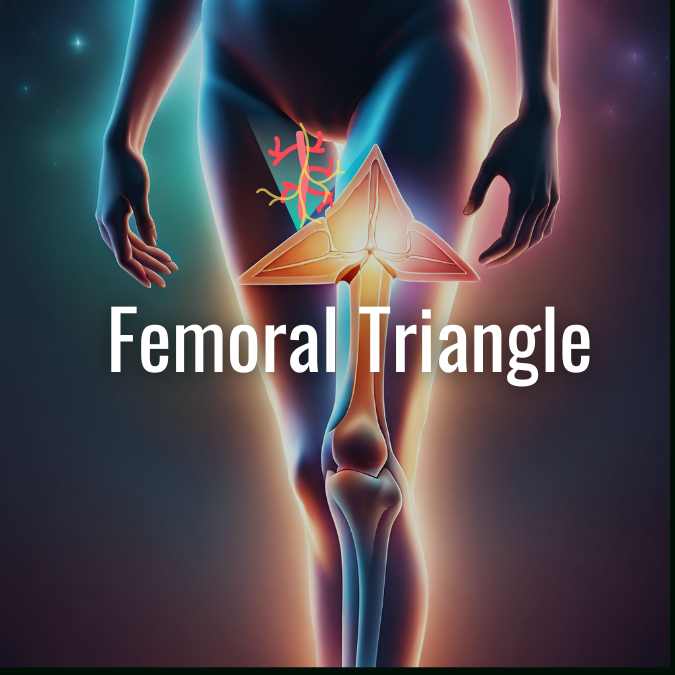
The femoral triangle is a triangular depression located on the front of the upper one-third of the thigh, just below the inguinal…
The popliteal fossa is a unique anatomical feature located behind the knee joint, formed by the lower part of the femur and…
The hip joint is a synovial joint known for its stability and mobility. It is a multi-axial ball and socket joint, allowing…
The knee joint is a complex synovial joint that plays a crucial role in lower limb movement and stability. In this article,…
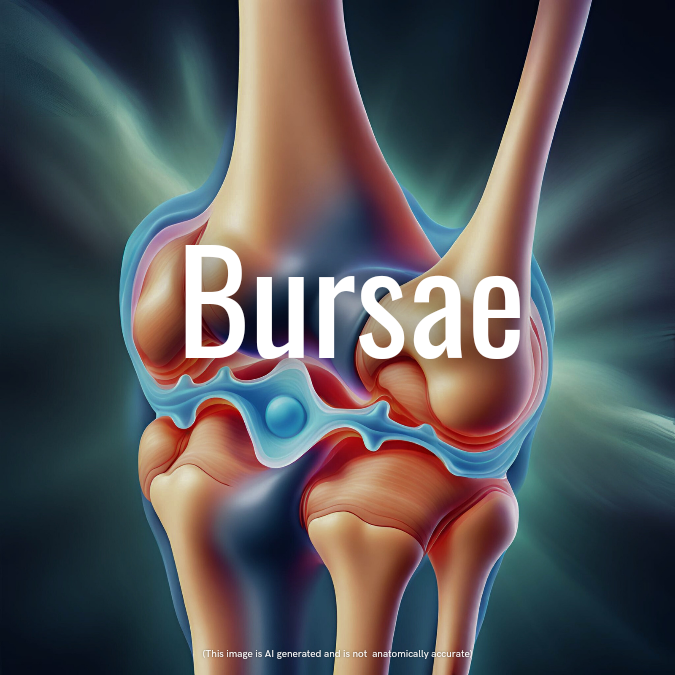
The lower limb contains several bursae, which are fluid-filled sacs that help reduce friction between tissues. In this article, we will explore…
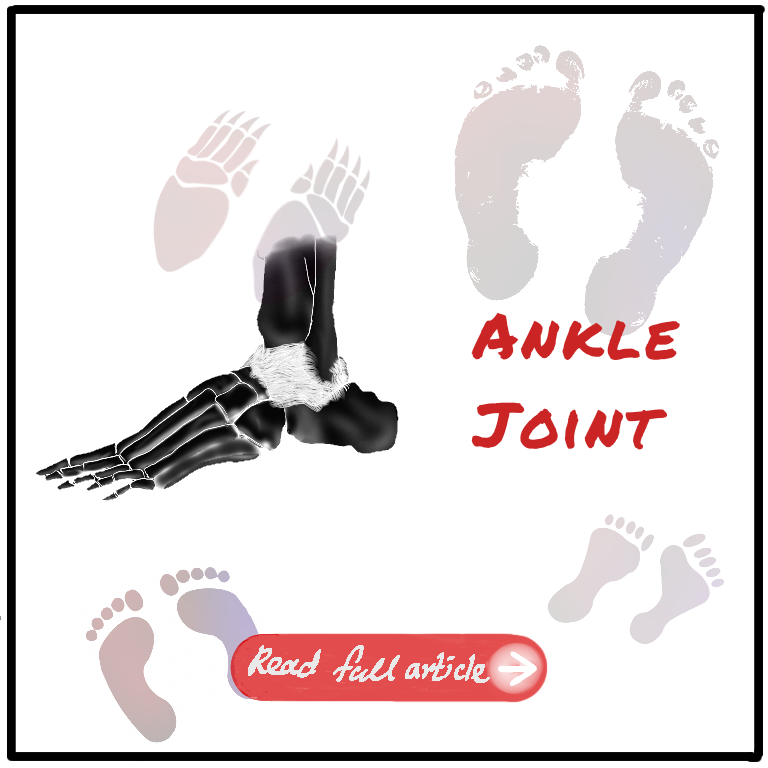
In this article we will discuss the type, articulations stabilizing factors and movements of the ankle joint. Some clinical points relating to…
The arches of the foot are architectural wonders that provide stability, shock absorption, and weight distribution. Comprising three primary arches – the…