Biochemistry of Carbohydrates
Carbohydrates are essential biomolecules that serve as a major source of energy and play vital roles in various biological processes. Understanding their…
Carbohydrates are essential biomolecules that serve as a major source of energy and play vital roles in various biological processes. Understanding their…
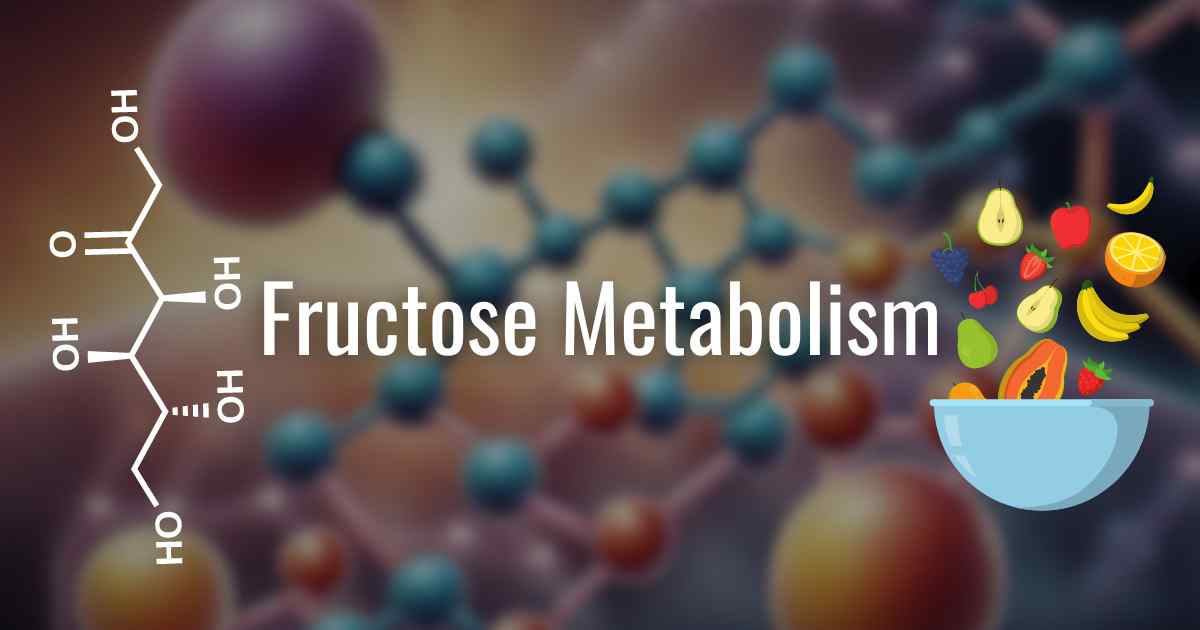
Fructose, a common sugar found in fruits, honey, and corn syrup, undergoes unique metabolic processes in the body. This article delves into…
Glycogenolysis is a vital process in the body that is responsible for breaking down glycogen, a complex carbohydrate stored in the liver…
The Pentose Phosphate Pathway (PPP) AKA Hexose Monophosphate Shunt (HMP Shunt) sounds complicated. But, it’s a series of chemical reactions that cells…
Gluconeogenesis is the process by which glucose is synthesized from non-carbohydrate precursors under fasting conditions. The three main precursors for this process…

The electron transport chain (ETC) is a series of protein complexes that are responsible for the production of energy in the form…

The Krebs cycle, also known as the citric acid cycle or the tricarboxylic acid (TCA) cycle, is a vital part of cellular…
Glycogenesis is the process by which glucose is stored in the form of glycogen, mainly in the liver and muscle. The glycogen…
This Article Discusses the different chemical pathways pyruvate can enter after glycolysis, and the conditions in which each reaction happens
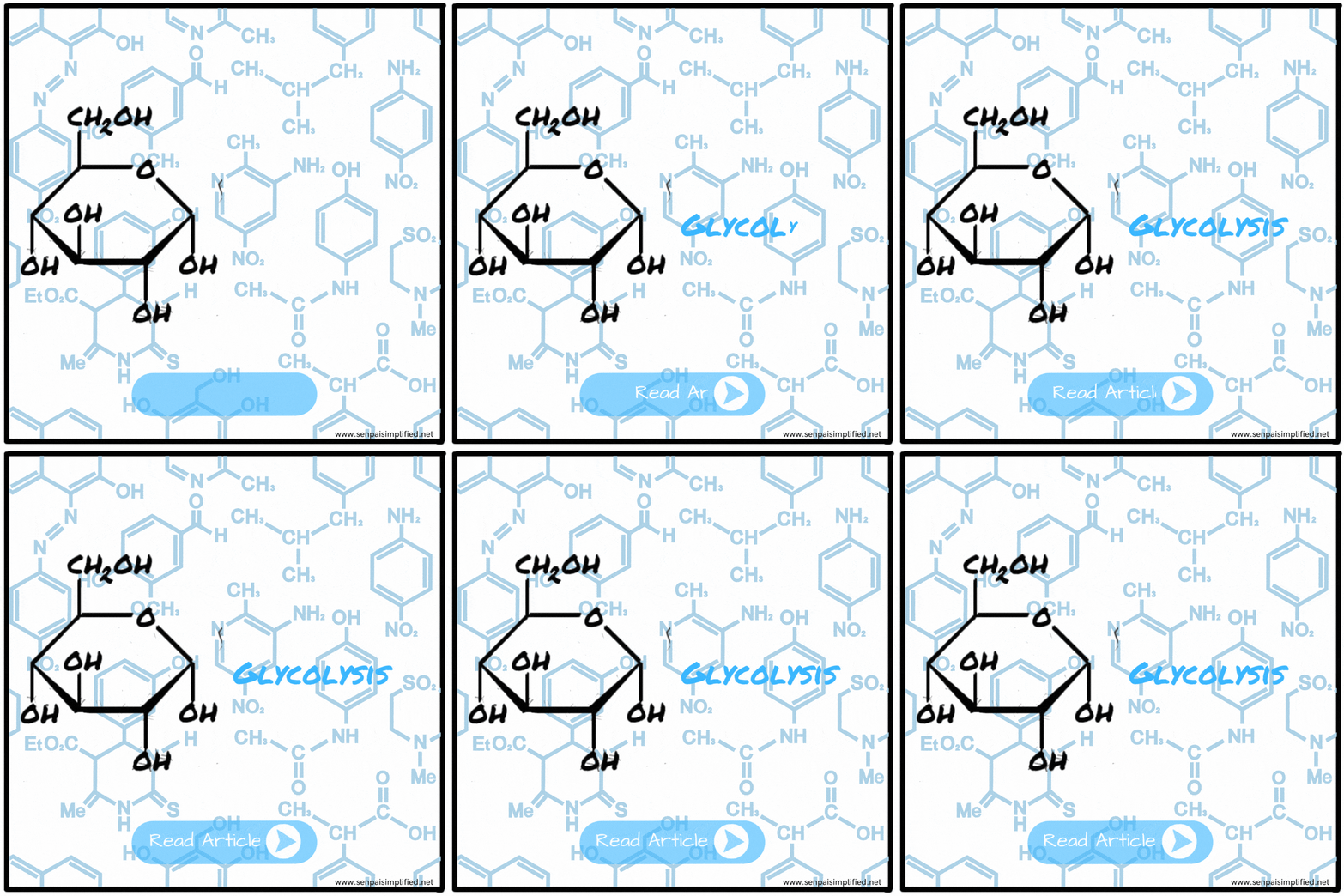
Glycolysis is a fundamental metabolic pathway that is essential for the production of energy in the body. Glycolysis is the process of…